Our Location
304 North Cardinal St.
Dorchester Center, MA 02124

304 North Cardinal St.
Dorchester Center, MA 02124
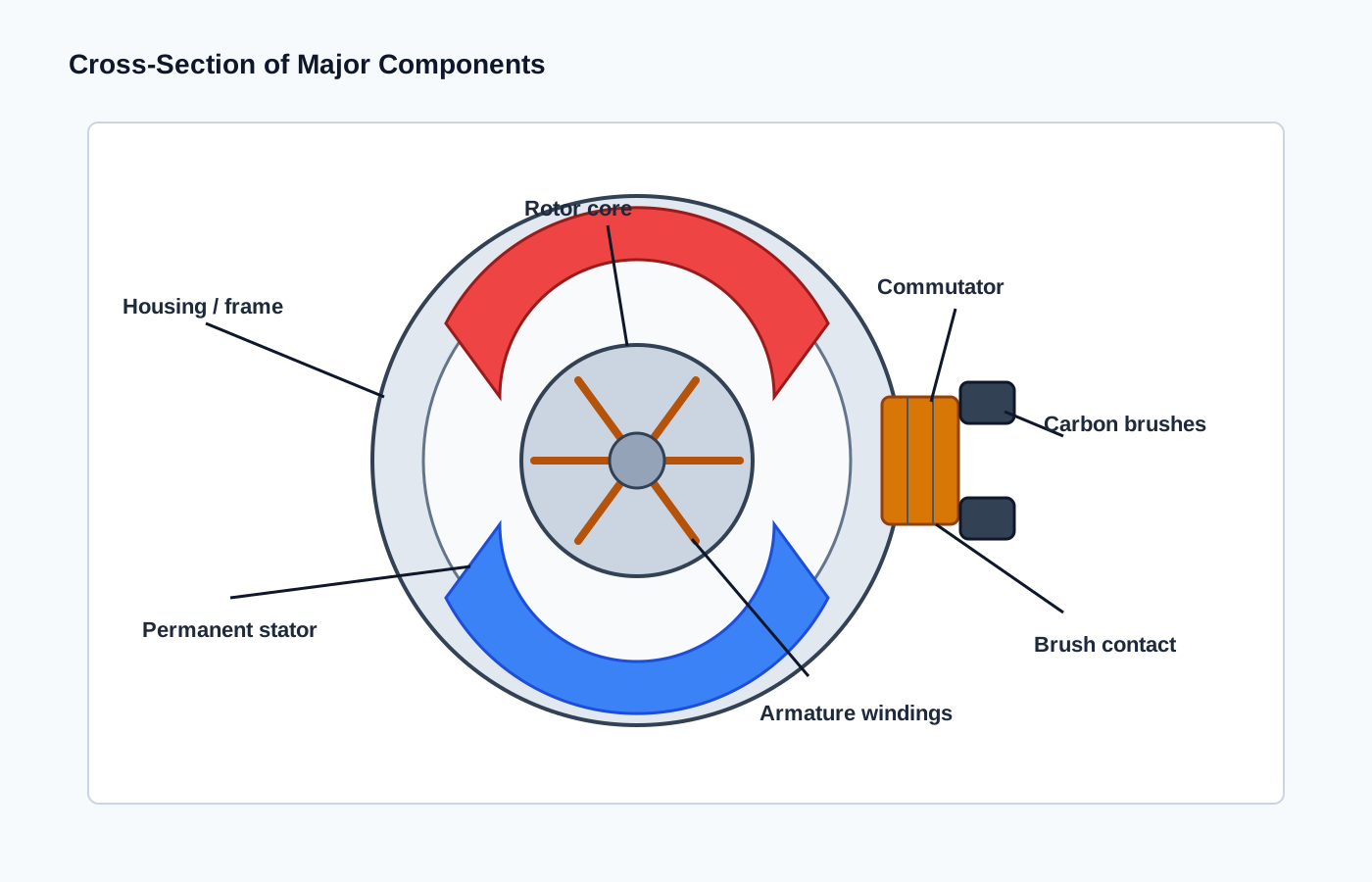
To understand how a brushed DC motor operates, it is first necessary to understand its internal construction.
Although brushed DC motors are available in many sizes and configurations, most share the same basic structure. Each component performs a specific function, and together they convert electrical energy into continuous rotary motion.
Compared with brushless DC (BLDC) motors, brushed DC motors have a simpler electronic system but a more complex mechanical commutation mechanism. The addition of brushes and a commutator is what fundamentally distinguishes a brushed DC motor from a brushless one.
This chapter introduces the major components of a brushed DC motor and explains the role each part plays during operation.
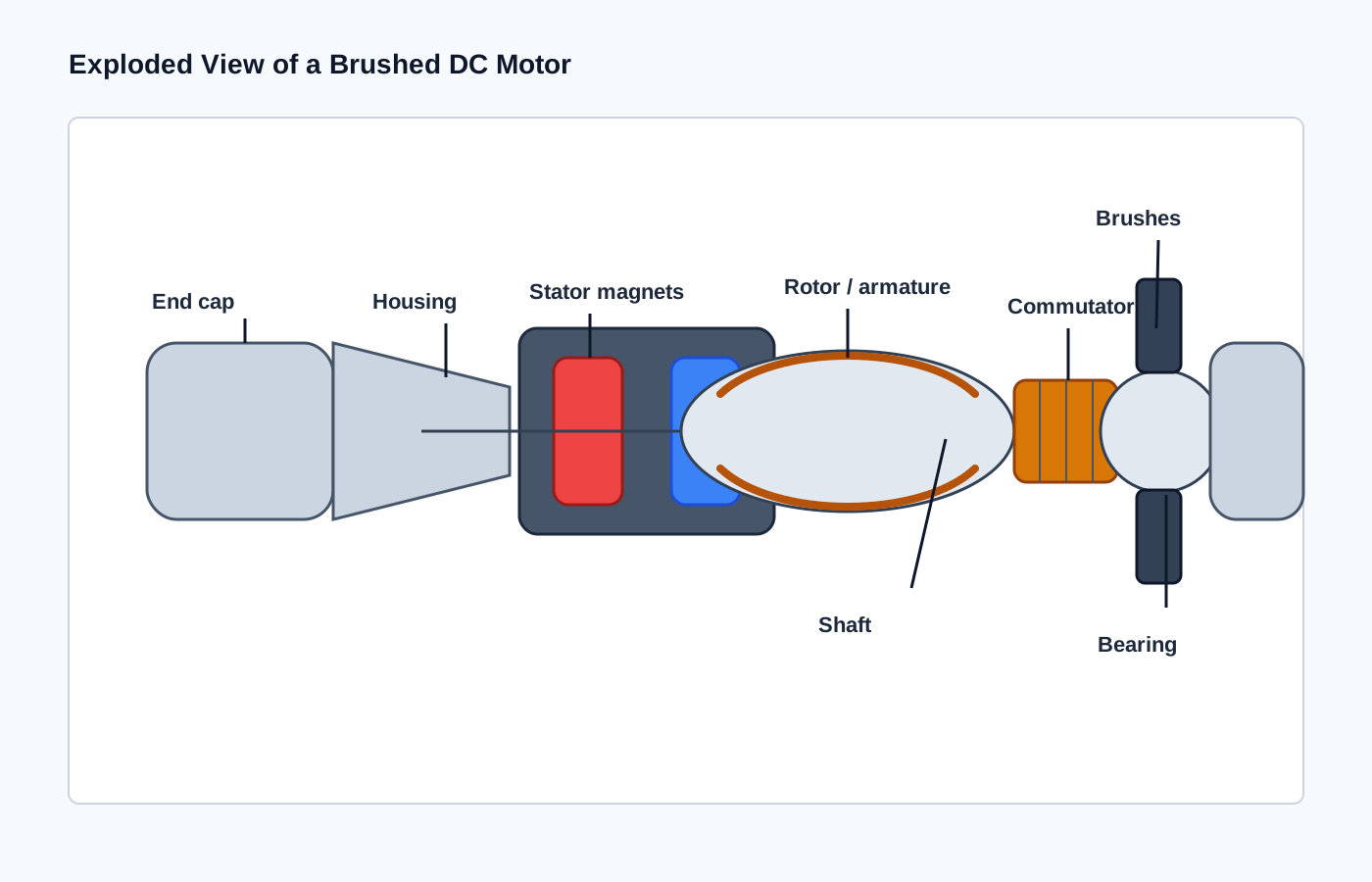
(Illustration: Exploded view of a brushed DC motor with all major components labeled, including the housing, stator, rotor, commutator, brushes, shaft, bearings, and end caps.)
A typical brushed DC motor consists of the following major components:
Each of these components contributes to the motor’s electrical or mechanical performance.
(Illustration: Cross-sectional diagram identifying each major component of a brushed DC motor.)
The housing forms the outer body of the motor.
Its primary functions include:
Depending on the application, housings may be manufactured from:
Industrial motors typically use metal housings for improved strength and heat dissipation, while miniature consumer motors may use lightweight steel shells.
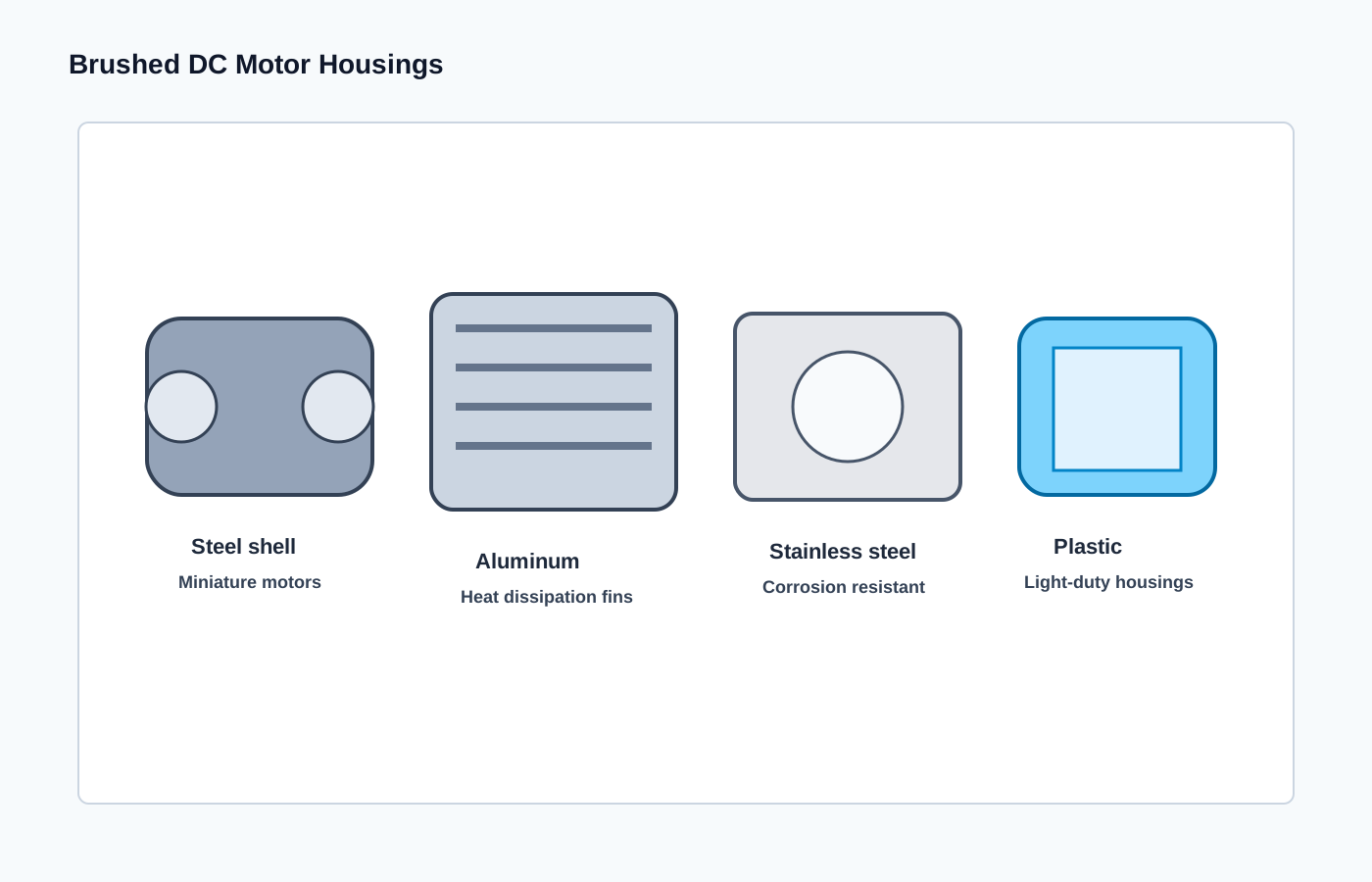
(Illustration: Several brushed DC motor housings made from different materials and designed for different applications.)
The stator is the stationary part of the motor.
Its purpose is to generate the magnetic field that interacts with the rotating armature.
Depending on the motor design, the stator may use:
Most small and medium-sized brushed DC motors use permanent magnets attached to the inside of the housing.
Advantages include:
These motors are commonly found in:
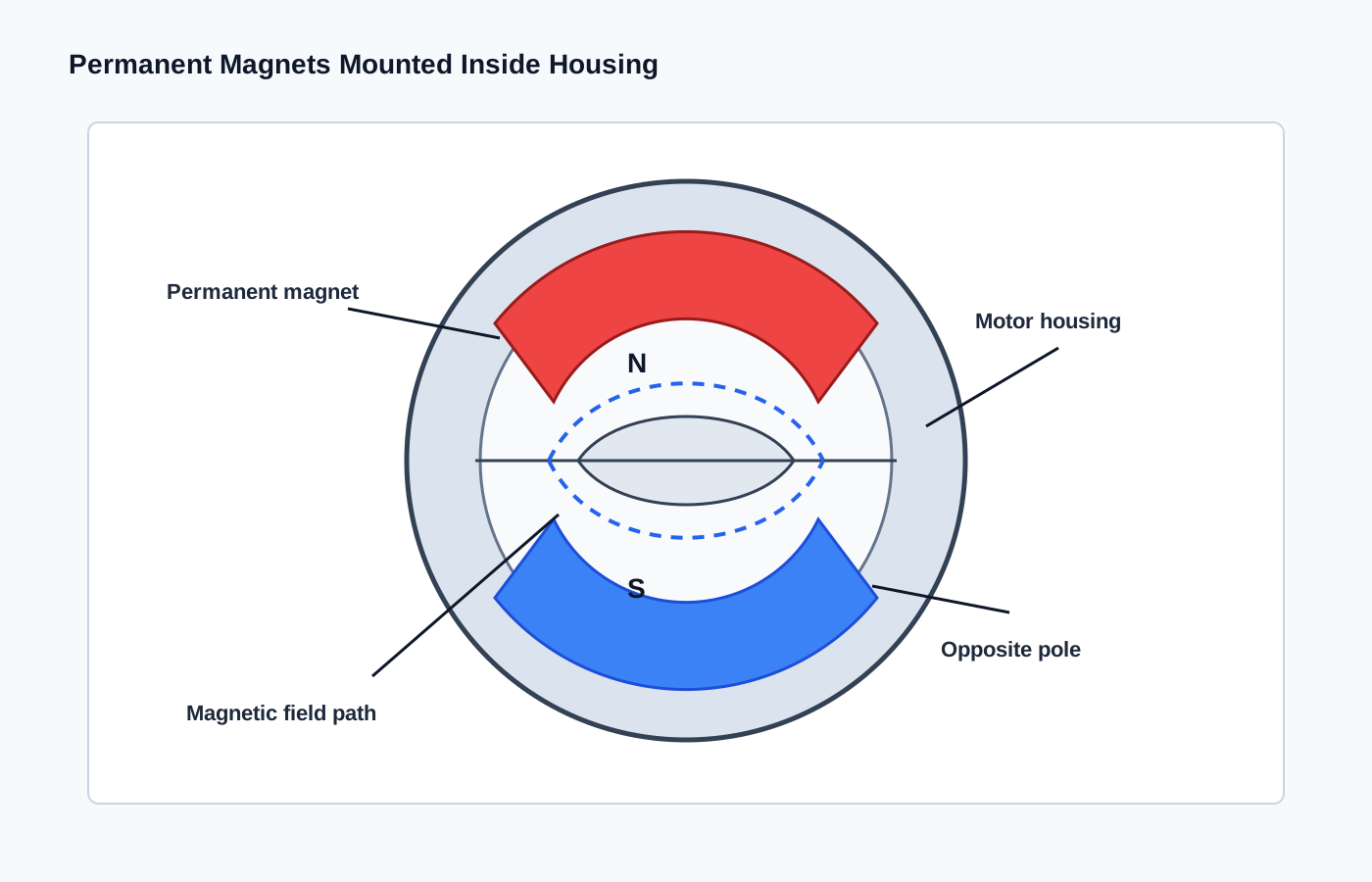
(Illustration: Permanent magnets mounted inside the motor housing.)
Larger industrial DC motors may use field windings instead of permanent magnets.
The magnetic field is generated by current flowing through stationary coils.
Compared with permanent magnet motors, wound-field motors allow the magnetic field strength to be adjusted, making them suitable for applications requiring a wide speed range or variable torque characteristics.
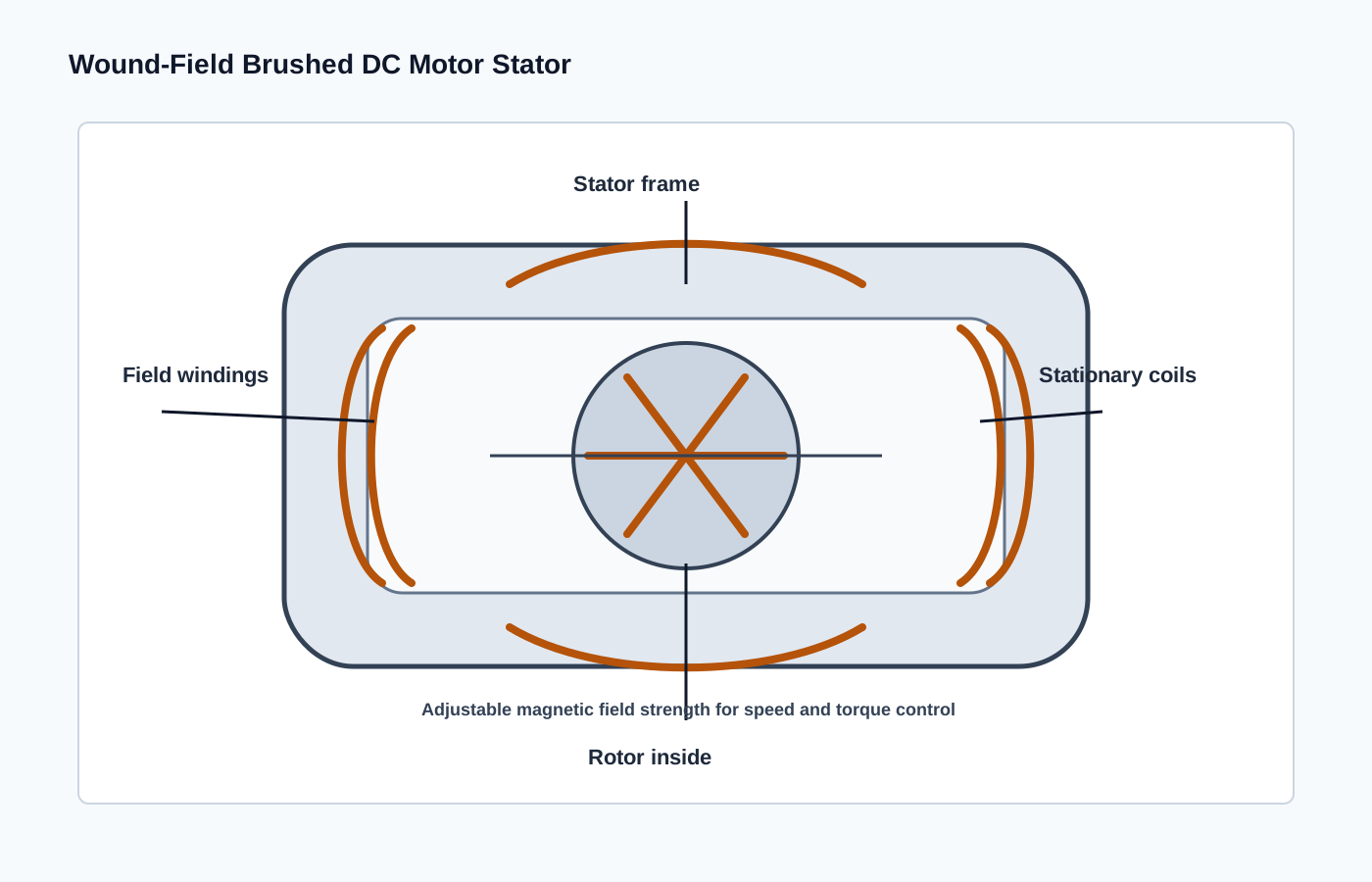
(Illustration: Industrial brushed DC motor showing field windings installed around the stator.)
Engineering Note:
Unless otherwise specified, the term “brushed DC motor” in modern industrial and commercial products usually refers to a Permanent Magnet DC Motor (PMDC). Wound-field DC motors are generally reserved for larger industrial systems and specialized equipment.
The rotor—also called the armature—is the rotating part of the motor.
Unlike a BLDC motor, where the permanent magnets are mounted on the rotor, the rotor of a brushed DC motor contains:
When electrical current flows through the armature windings, a magnetic field is generated.
This magnetic field interacts with the stator’s magnetic field, producing rotational torque.
The rotor continuously rotates as the commutator switches the direction of current flowing through the windings.
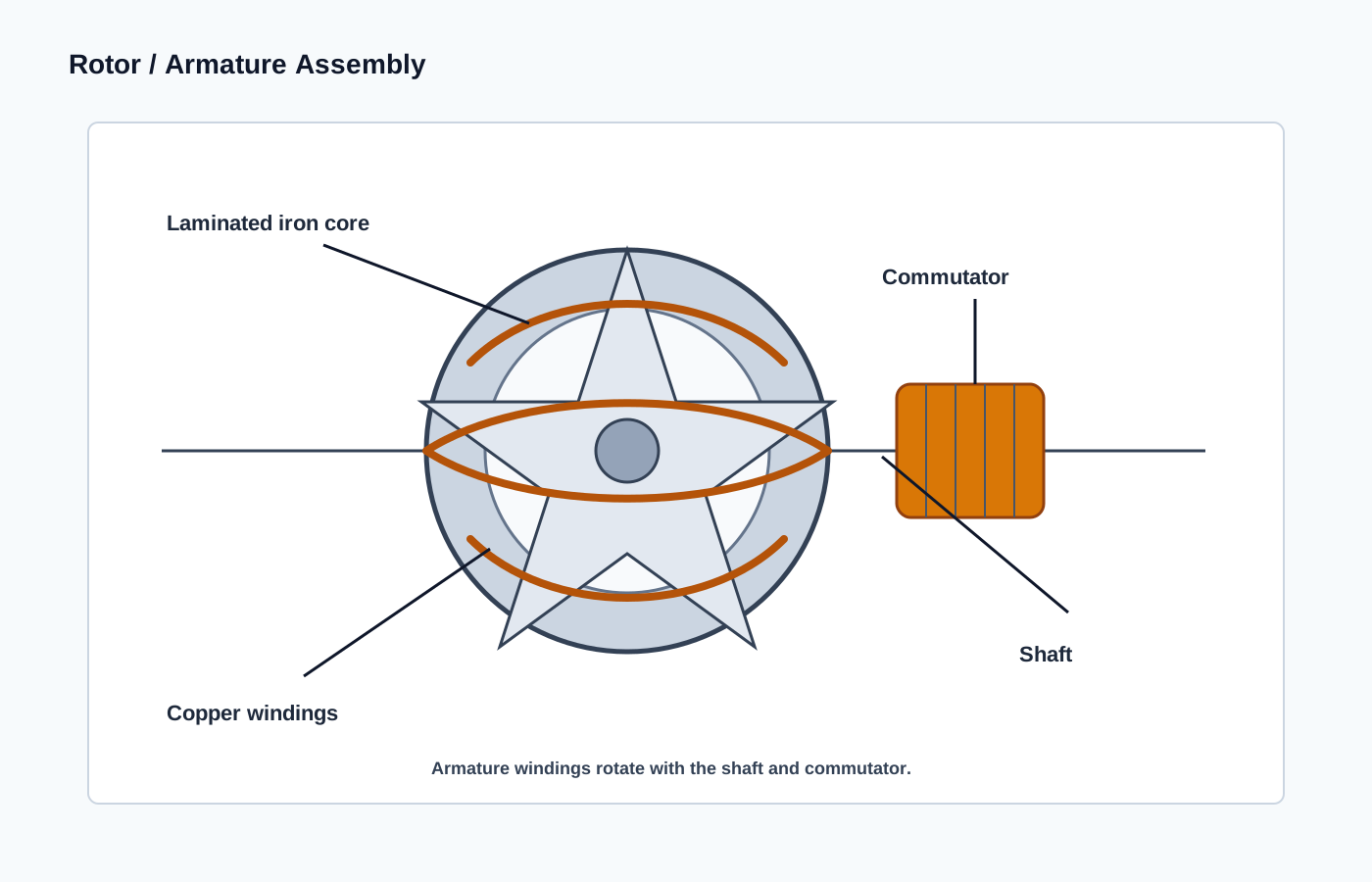
(Illustration: Rotor assembly showing the laminated iron core, copper windings, shaft, and commutator.)
The commutator is one of the defining components of a brushed DC motor.
It is mounted on the rotor shaft and rotates together with the armature.
The commutator consists of multiple copper segments insulated from one another.
Its function is to:
Without the commutator, the rotor would stop after rotating only a short distance because the magnetic forces would no longer produce continuous torque.
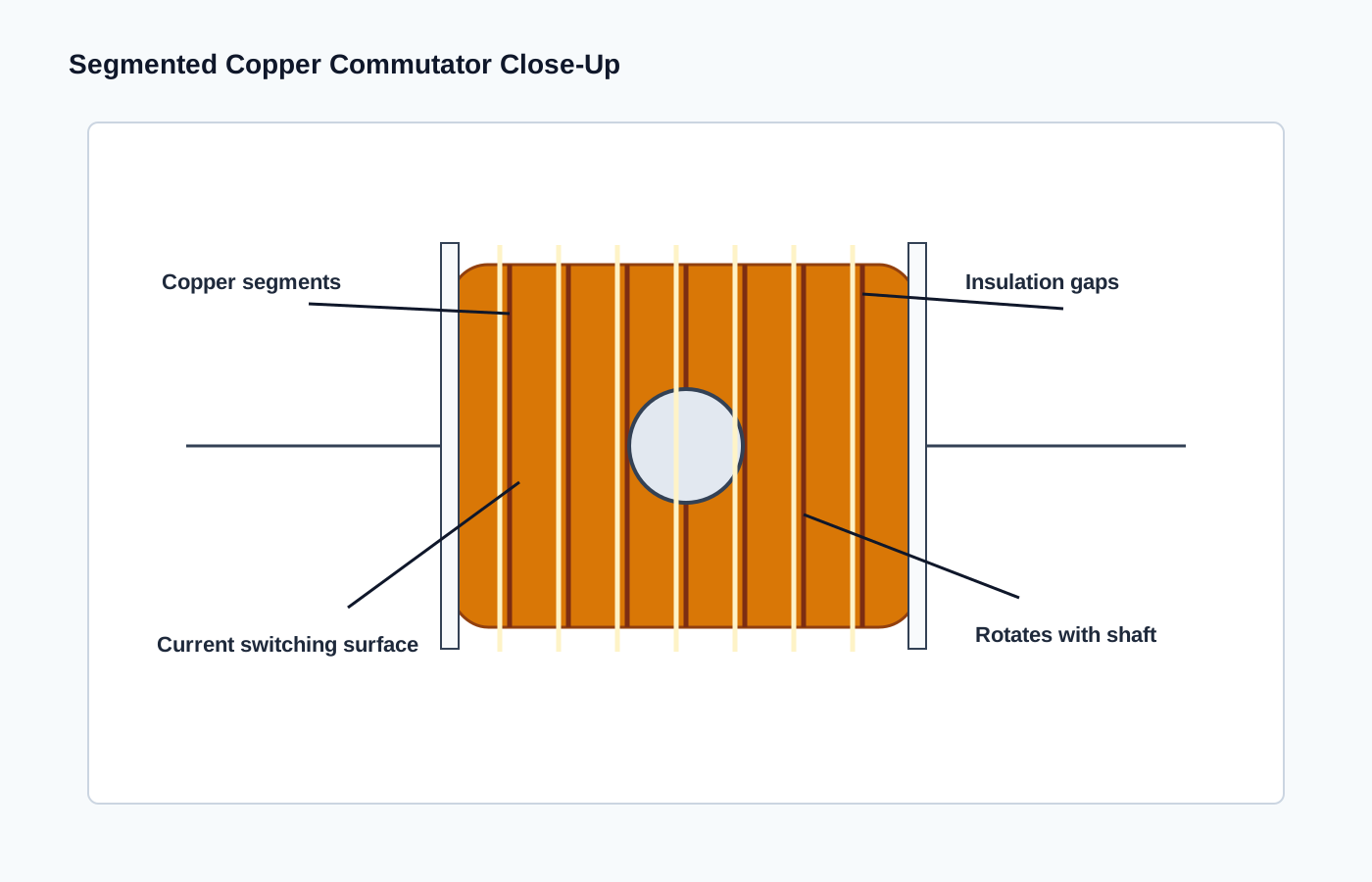
(Illustration: Close-up of a segmented copper commutator mounted on the motor shaft.)
Carbon brushes provide the electrical connection between the stationary power supply and the rotating commutator.
The brushes are held in position by springs, ensuring constant contact with the commutator during operation.
Common brush materials include:
As the motor operates, friction gradually wears the brushes.
This wear is normal and is one of the primary maintenance items for brushed DC motors.
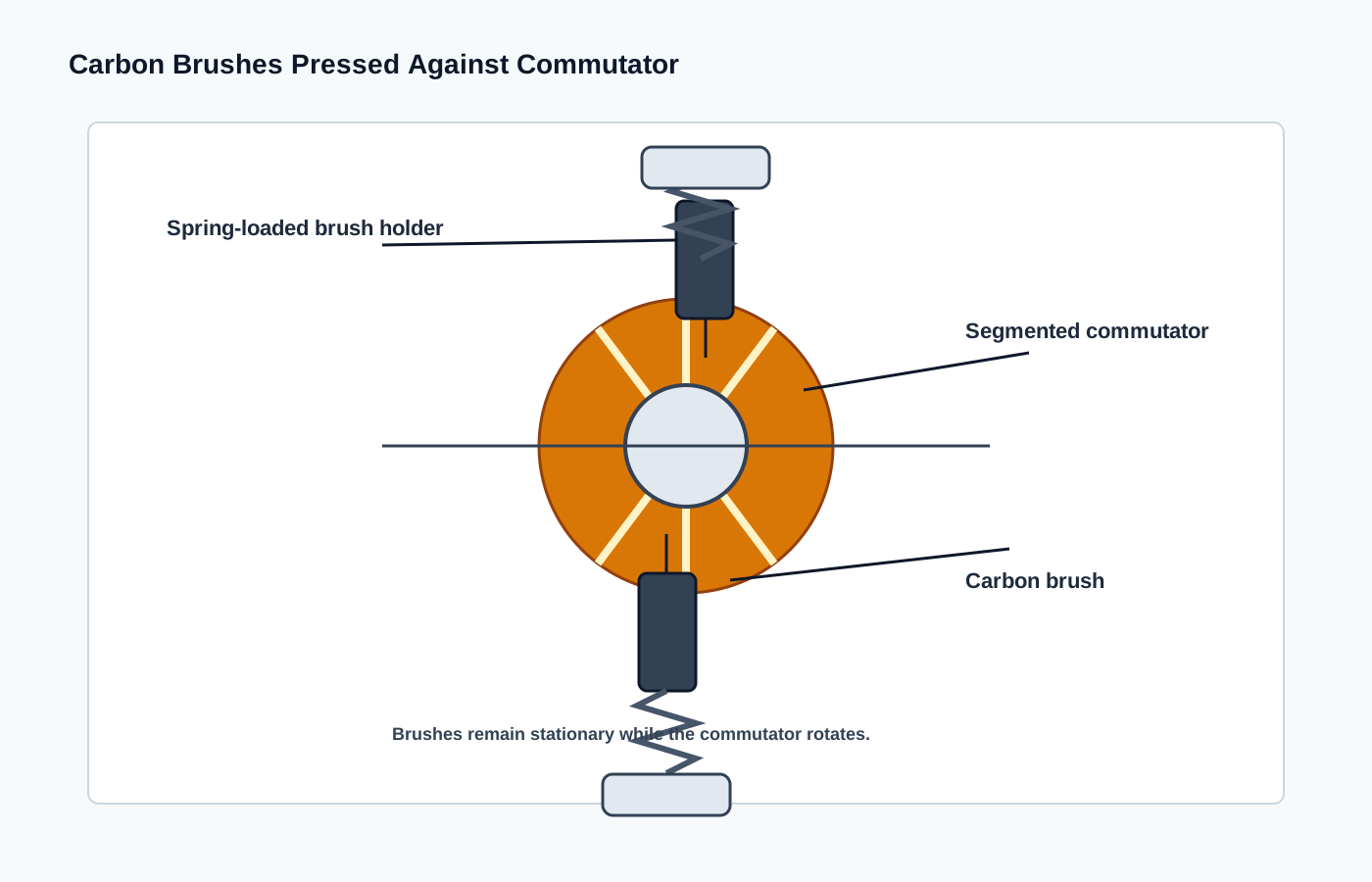
(Illustration: Carbon brushes pressed against the rotating commutator by spring-loaded brush holders.)
The shaft transfers the motor’s rotational motion to the external load.
Depending on the application, the shaft may include:
Proper shaft alignment is important for minimizing bearing loads and ensuring smooth operation.
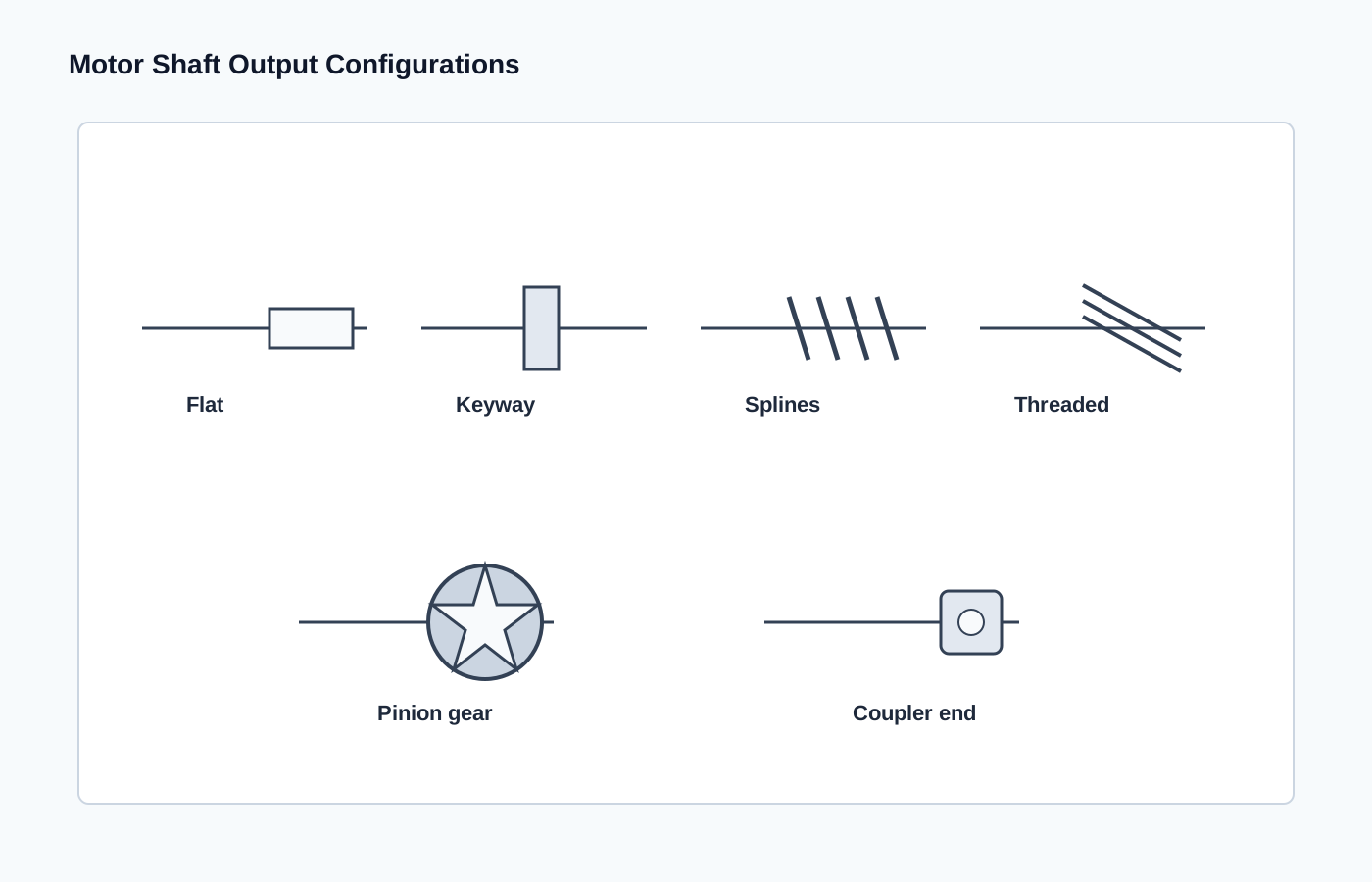
(Illustration: Various motor shaft designs with different output configurations.)
Bearings support the rotating shaft and reduce friction.
Most brushed DC motors use either:
Advantages:
Typically used in:
Advantages:
Typically used in:
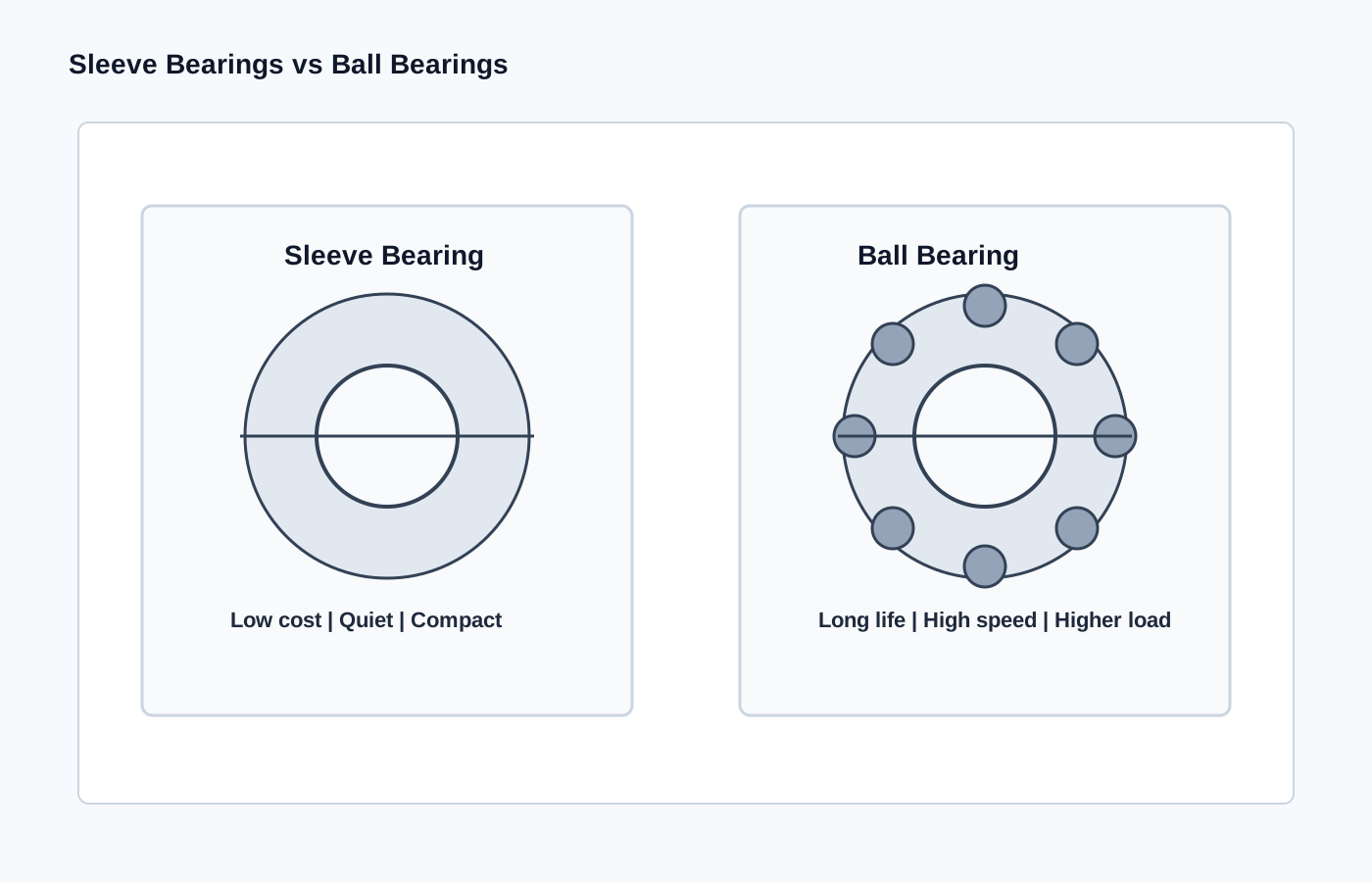
(Illustration: Comparison between sleeve bearings and ball bearings used in brushed DC motors.)
End caps close both ends of the motor housing.
They provide:
Many end caps also incorporate ventilation openings to improve cooling.
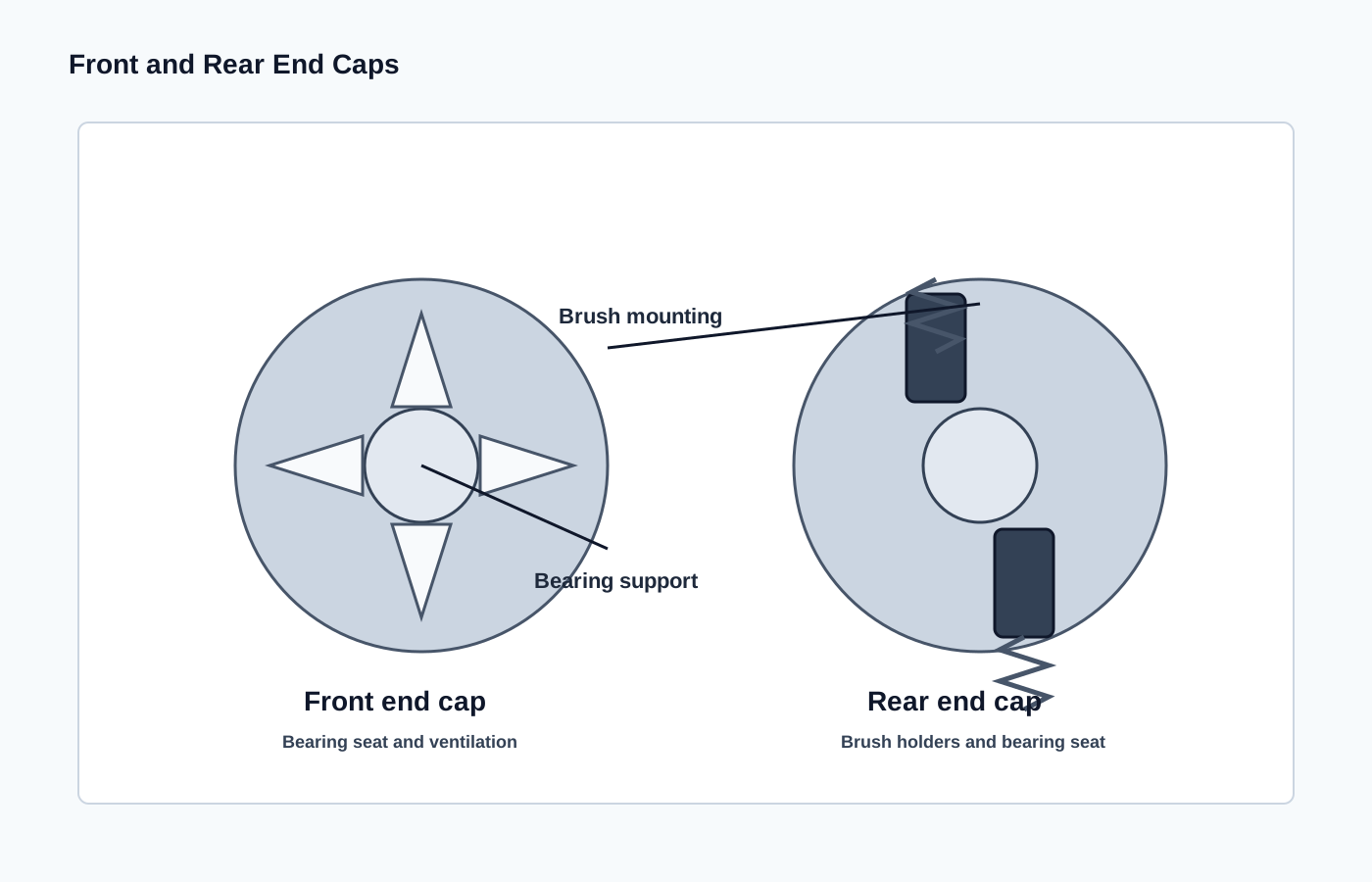
(Illustration: Front and rear end caps showing brush holders and bearing seats.)
Although each component has a different function, they operate as a complete system.
The sequence is as follows:
This automatic mechanical switching process is known as mechanical commutation, which distinguishes brushed DC motors from BLDC motors.
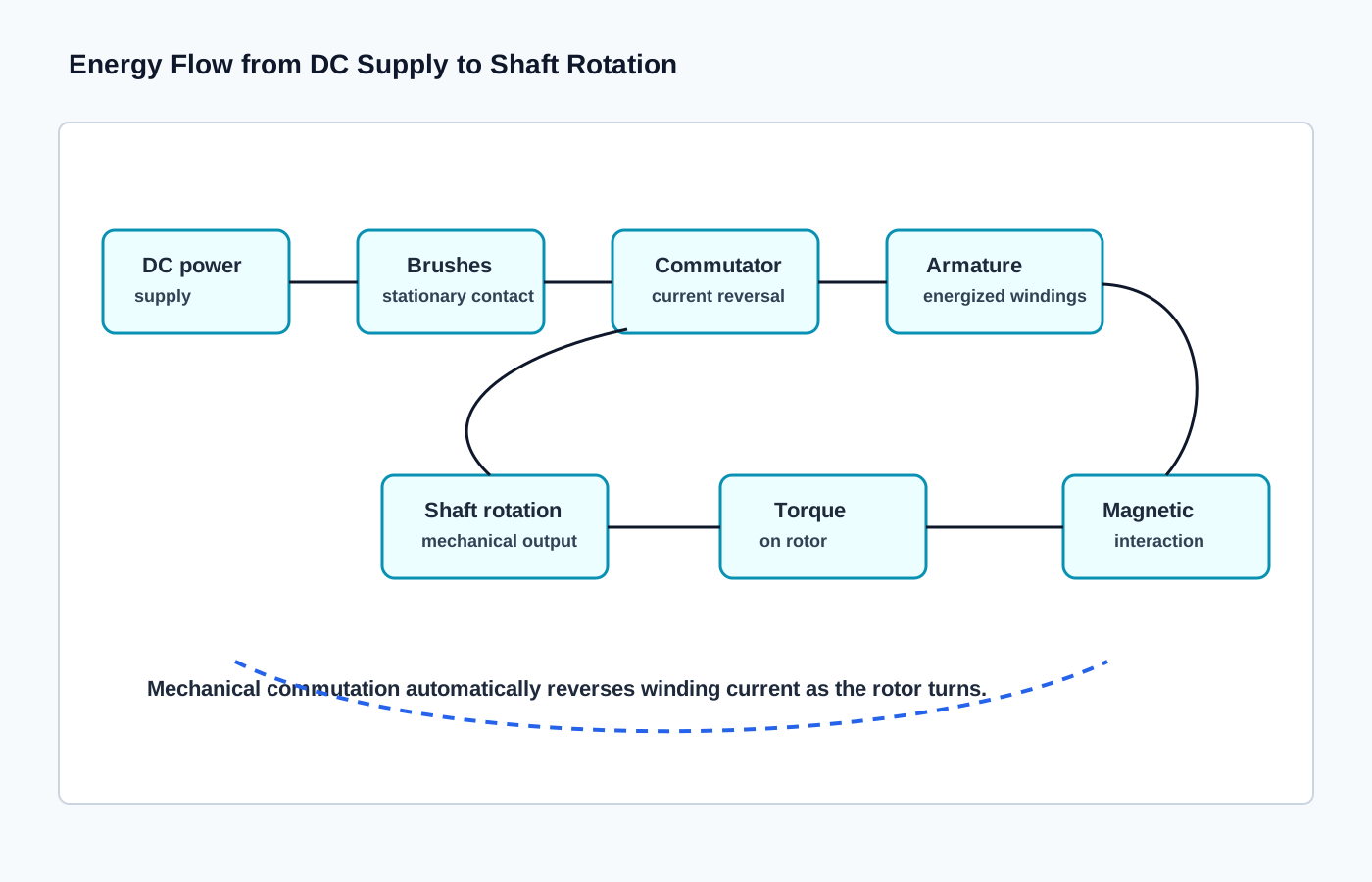
(Illustration: Step-by-step diagram showing the flow of electrical energy from the power supply to continuous shaft rotation.)
The most important structural difference between a brushed DC motor and a brushless DC motor is the location of the windings and the method of commutation.
| Component | Brushed DC Motor | Brushless DC Motor |
|---|---|---|
| Rotor | Armature windings | Permanent magnets |
| Stator | Permanent magnets or field windings | Stator windings |
| Commutation | Mechanical (brushes & commutator) | Electronic (controller) |
| Brushes | Required | Not required |
This fundamental difference affects nearly every aspect of motor performance, including efficiency, maintenance requirements, control methods, and service life.